Cart
0
You may also like


Finding hair on your pillow, comb or shower floor can be concerning.
It's normal to lose some hair every day, but noticeable or persistent hair shedding can make people immediately start searching for solutions.
The first thing to understand is that hair health isn't determined by a single shampoo, oil or treatment.
Your hair and scalp are influenced by many factors, including genetics, age, nutrition, stress, styling habits, scalp condition and overall health.
That means a better hair-care routine should focus on consistent scalp and hair care rather than relying on one product as a quick solution.
These two things are often confused.
Hair naturally goes through growth and shedding cycles. Some daily shedding is normal.
Breakage happens when the hair shaft becomes damaged and snaps.
Heat styling, aggressive brushing, chemical treatments, tight hairstyles and rough handling can contribute to breakage.
Understanding the difference can help you make better decisions about your routine.
Healthy-looking hair begins with taking care of the scalp.
Your scalp can accumulate:
Regular cleansing helps keep the scalp clean and comfortable.
However, washing too aggressively or using products that don't suit your scalp can leave it feeling dry or irritated.
The goal is clean, comfortable scalp care, not excessive washing.
Not every shampoo is designed for the same purpose.
Some focus on cleansing, some on hydration and others on specific hair or scalp concerns.
If you're building a hair-care routine around hair fall, choose a shampoo that fits your overall routine rather than expecting shampoo alone to solve every possible cause of shedding.
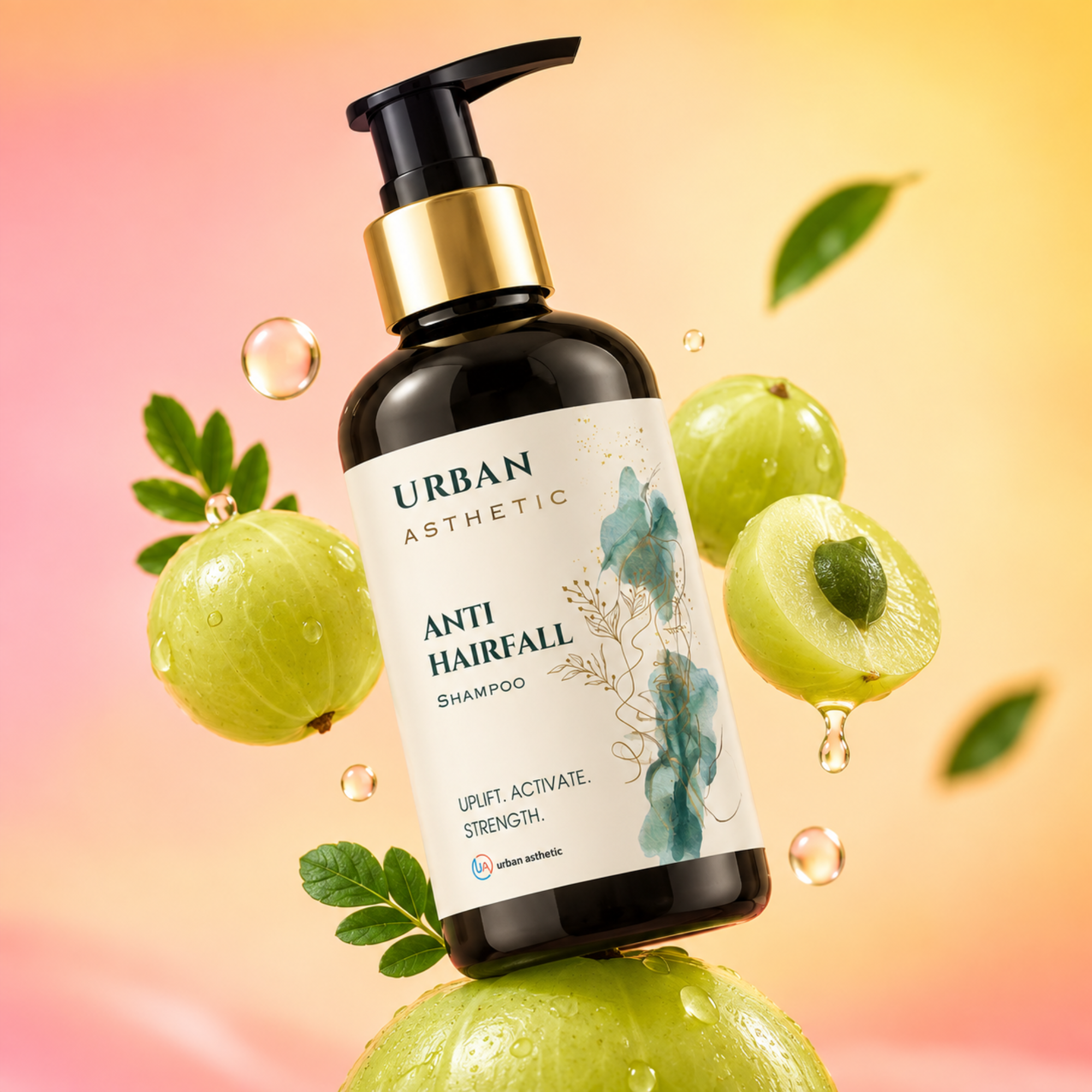
An anti-hairfall shampoo can be incorporated into a routine focused on reducing everyday hair-care stress and maintaining clean, cared-for hair.
But persistent or significant hair loss should not be treated as purely a cosmetic concern.
Hair is made from keratin, a protein.
That makes nutrition an important part of overall hair health.
A balanced diet should provide a variety of nutrients, including:
Rather than relying on random supplements, focus first on a balanced diet.
If you suspect a nutritional deficiency or experience significant hair loss, it's better to consult a healthcare professional rather than self-prescribing supplements.
Frequent heat styling can contribute to hair damage and breakage.
Hair dryers, straighteners and curling tools can expose hair to high temperatures.
You don't necessarily need to stop using them completely, but sensible habits can help:
Tight hairstyles can put repeated tension on hair.
If you regularly wear very tight ponytails, buns or other hairstyles, consider alternating your hairstyle and avoiding unnecessary pulling.
Gentle handling is especially important when hair is wet because wet hair can be more prone to stretching and breakage.
There's no universal rule that everyone must wash their hair on exactly the same schedule.
The right frequency depends on factors such as:
Focus on keeping your scalp clean and comfortable without unnecessarily harsh treatment.
You can keep your routine straightforward.
Use a suitable shampoo to clean your scalp and hair.
If your hair needs additional softness or manageability, use a suitable conditioner.
Avoid aggressive towel drying and rough brushing.
Give your hair regular breaks from high-temperature styling.
Prioritize balanced nutrition, adequate rest and healthy everyday habits.
Not all hair shedding is the same.
You should consider talking to a dermatologist or qualified healthcare professional if you notice:
There can be many underlying causes of hair loss, so professional evaluation is important when the issue is persistent or significant.
One of the biggest problems with online hair-care advice is that every week there seems to be a new "miracle" ingredient or treatment.
Instead of changing your routine every few days:
Keep it simple.
Be consistent.
Treat your hair gently.
Pay attention to your scalp.
And most importantly, understand that hair health doesn't change overnight.
Your hair-care routine doesn't need to be expensive or complicated.
A few consistent habits can make your routine more manageable:
Products can support your routine, but they shouldn't replace good everyday habits.
Healthy-looking hair is about more than choosing the right bottle from a shelf.
It's about creating a routine that takes care of your scalp, minimizes unnecessary damage and supports your overall well-being.
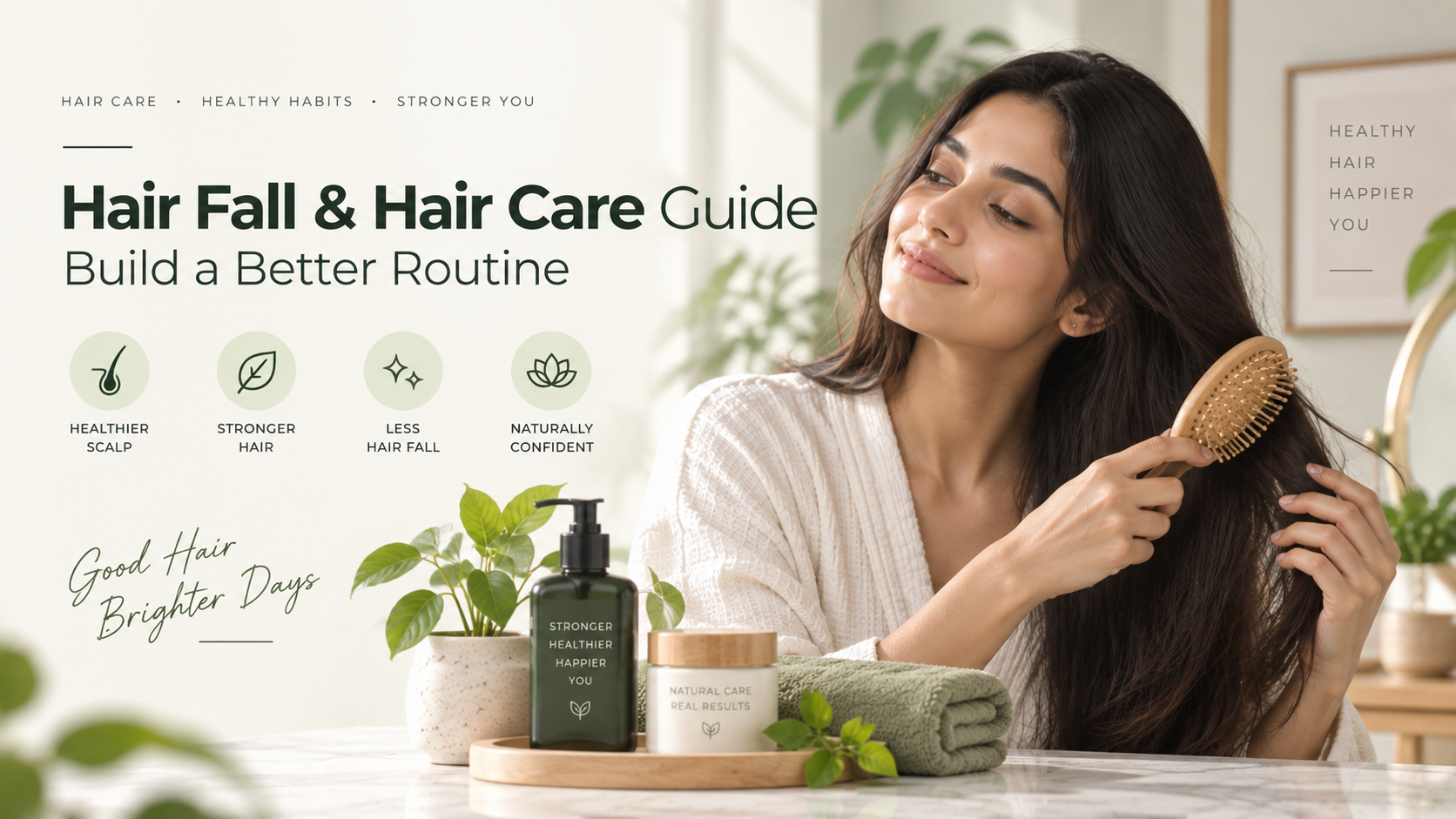
Urban Asthetic's hair-care essentials are designed to fit naturally into your everyday personal-care routine—because better care starts with simple, consistent habits.