Cart
0
You may also like
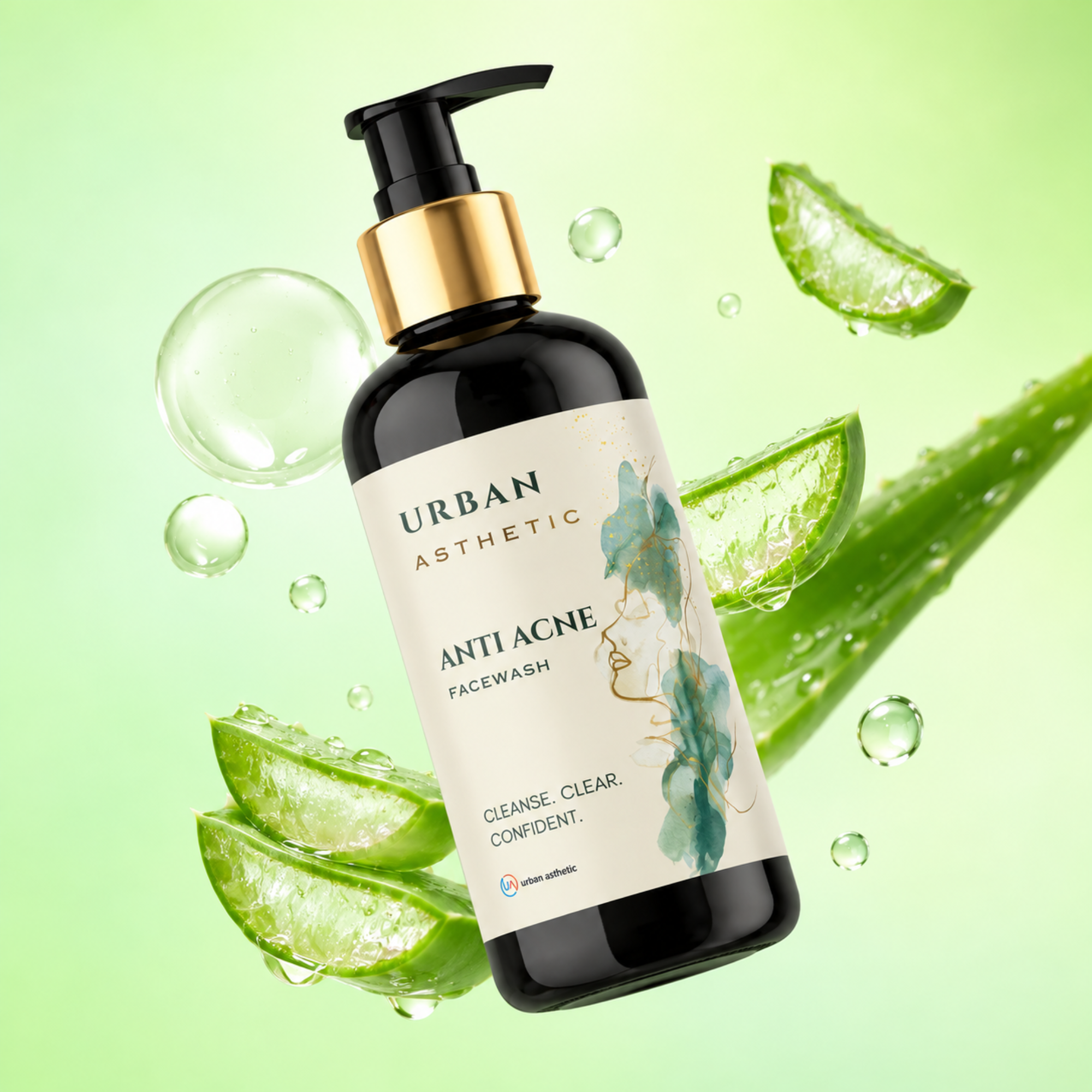
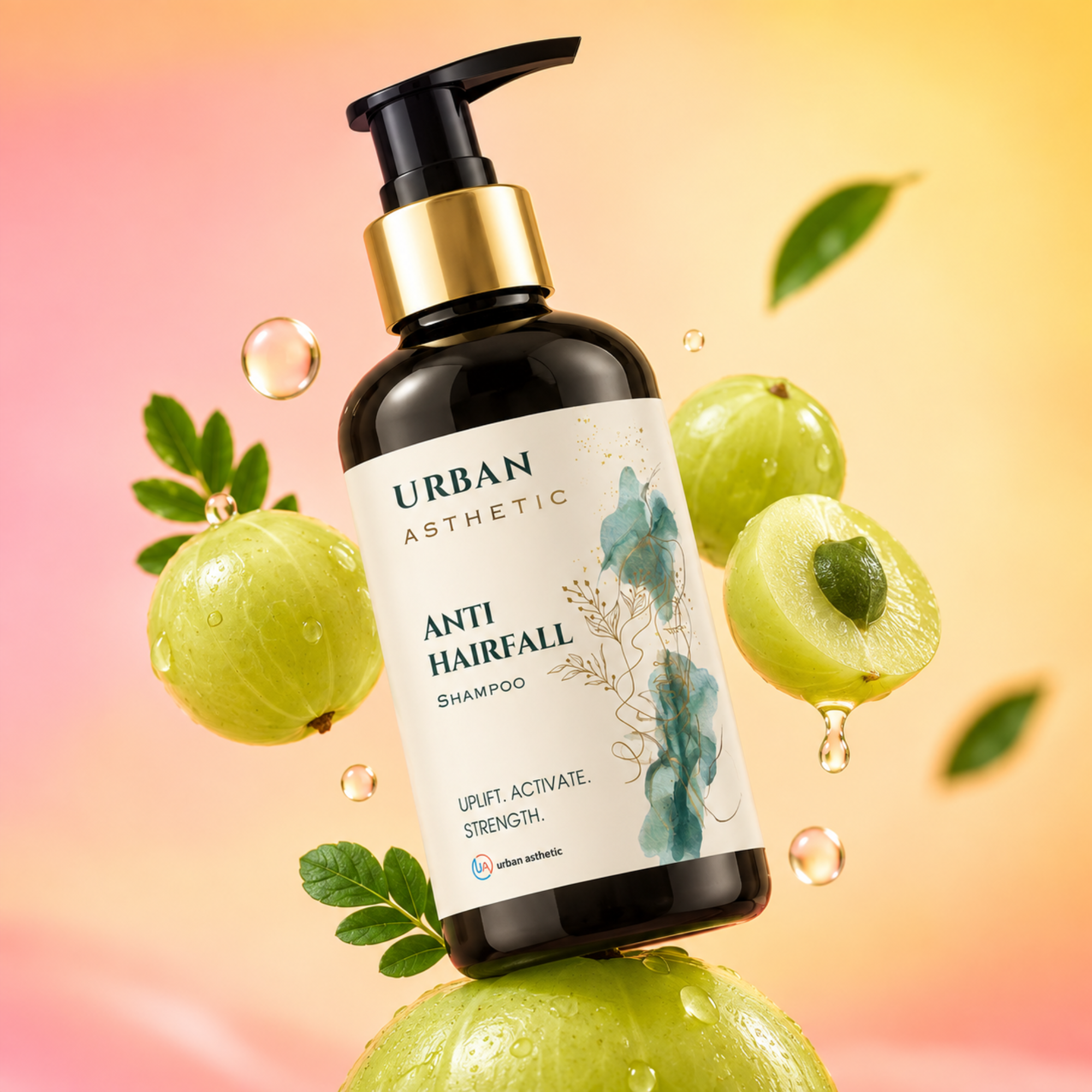
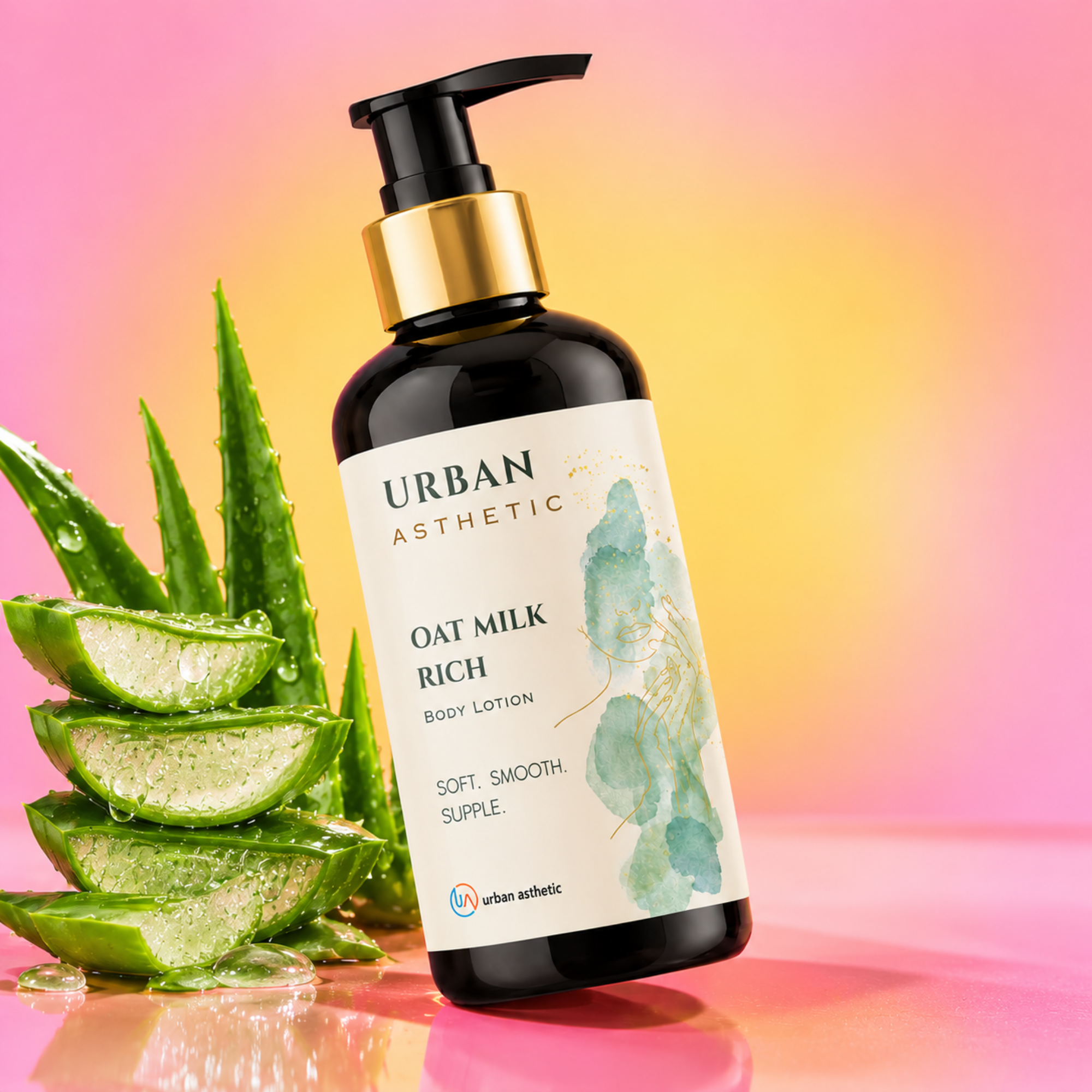
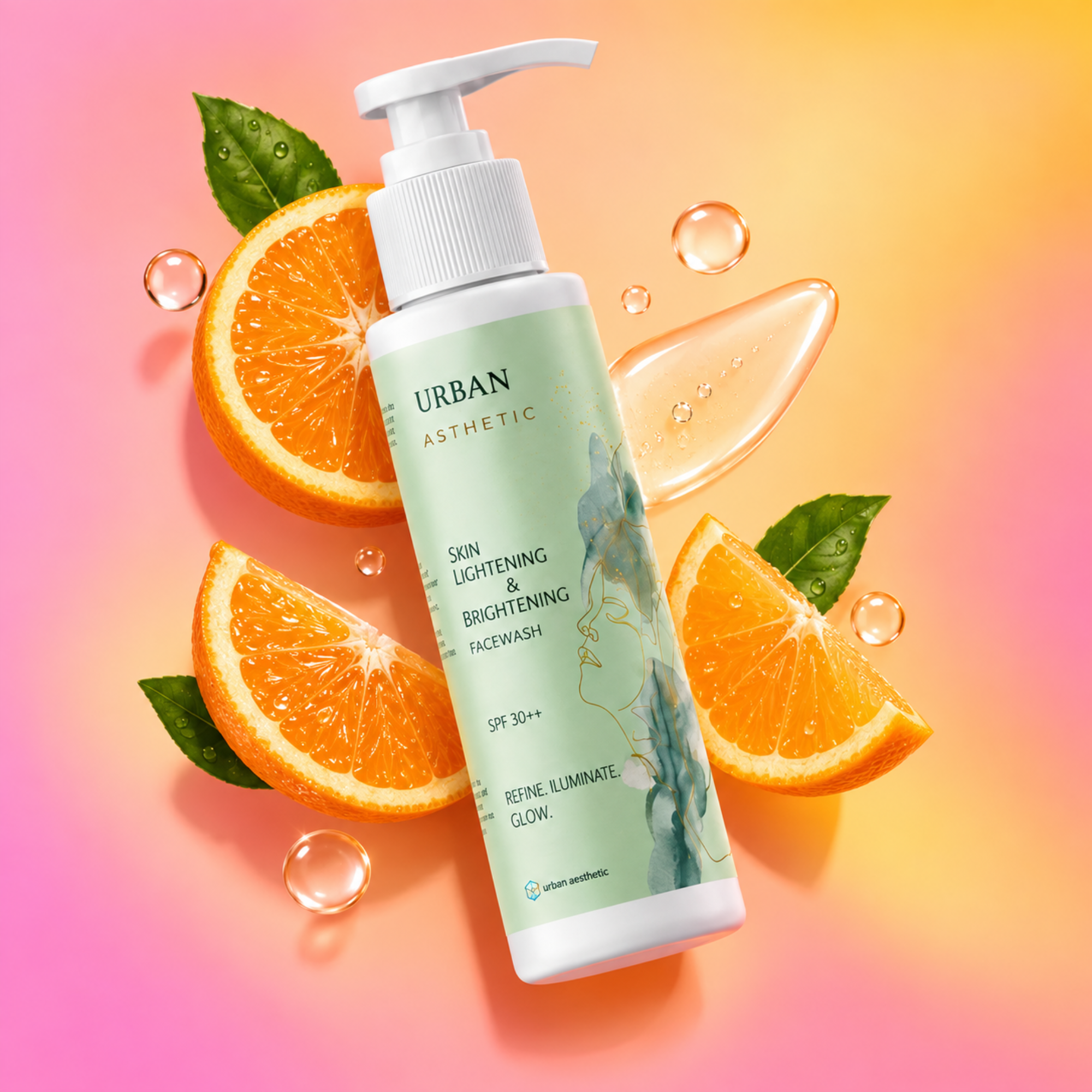
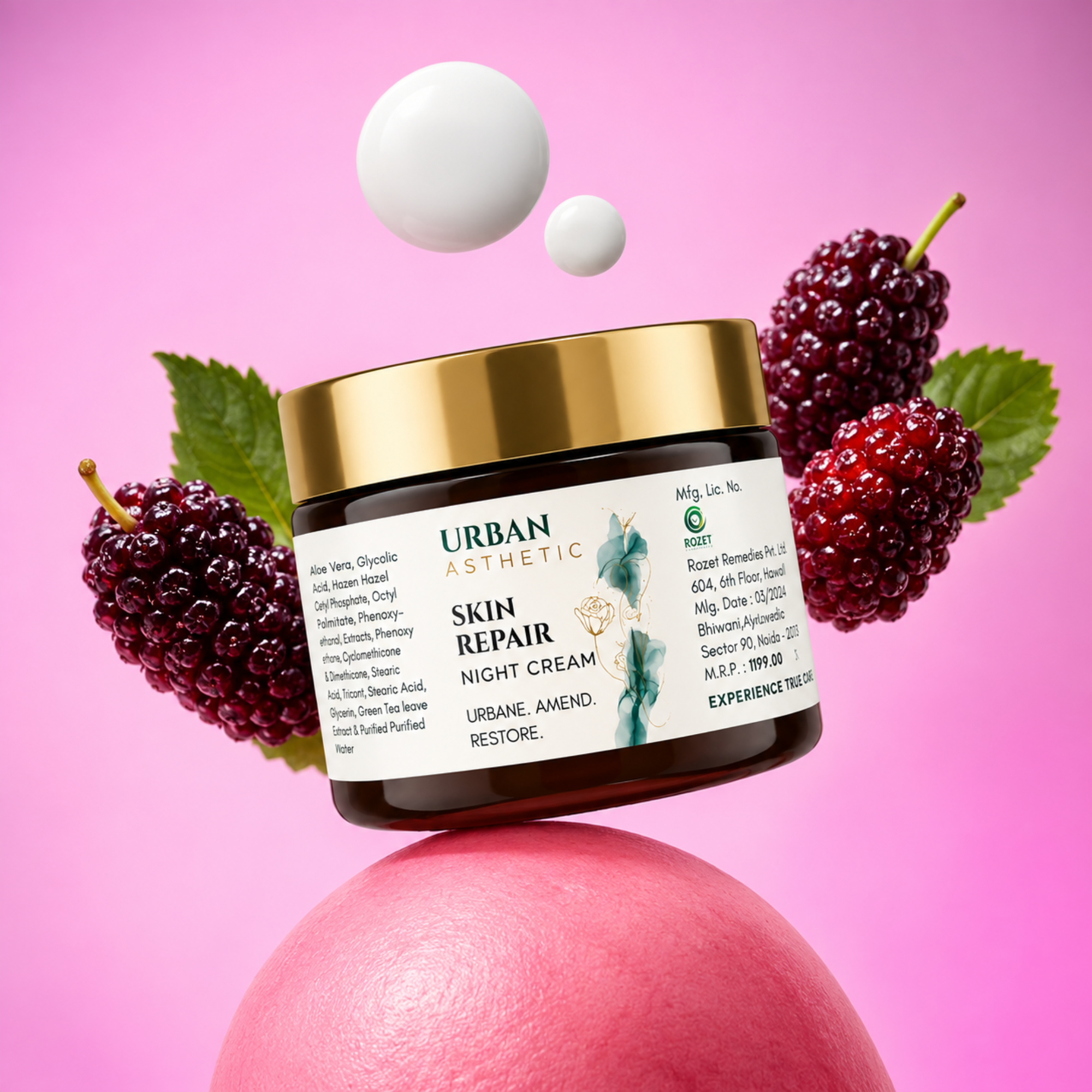


concerns.
But before focusing on individual concerns, there's one basic part of skincare that shouldn't be overlooked: hydration.
Skin that lacks sufficient moisture can feel tight, rough or uncomfortable. A well-planned hydration routine can help your skin feel softer, smoother and more comfortable.
And hydration isn't only about drinking water. Your skincare routine, cleanser, moisturizer, environment and daily habits can all influence how your skin feels.
Hydration refers to the amount of water present in the skin.
Moisture, on the other hand, is often used in skincare to describe the skin's ability to retain water and maintain its protective barrier.
This is why simply using a product labelled "hydrating" isn't the whole story.
Your routine should ideally support both:
That's where ingredients such as hyaluronic acid, glycerin and ceramides commonly appear in skincare products.
Everyone's skin is different, but dehydrated or dry-feeling skin can sometimes appear:
However, these signs can have multiple causes, so don't assume that every skin concern is simply a hydration issue.
Your cleanser is the first major step in your skincare routine.
A cleanser that is too harsh for your skin may leave it feeling uncomfortable or excessively dry after washing.
This is why choosing a cleanser according to your skin's needs matters.
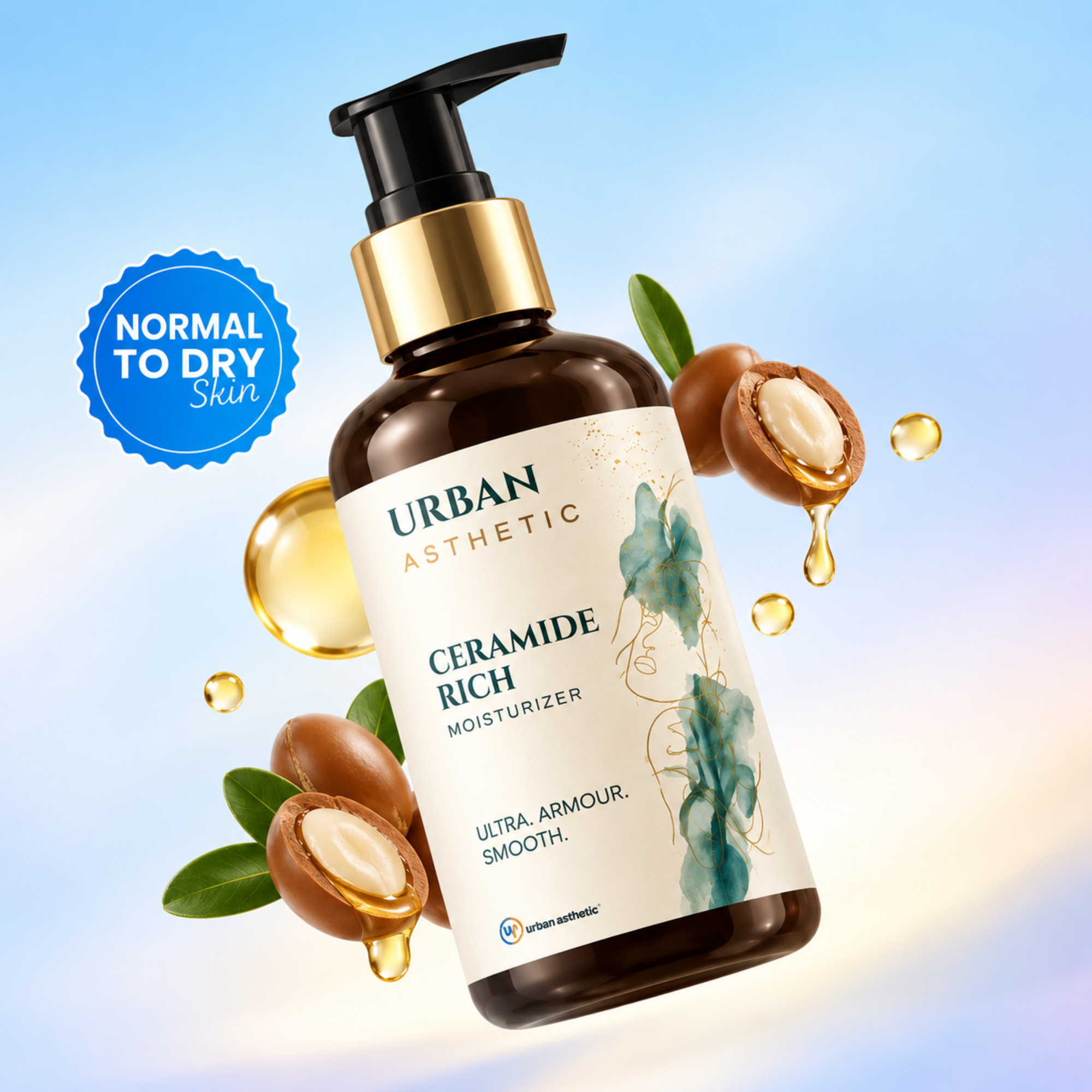
If your routine is focused on hydration, pair your cleanser with a moisturizer designed to support comfortable, moisturized skin.
Ceramides are naturally occurring lipids found in the skin.
They are an important part of the skin barrier and are widely used in skincare formulations designed around barrier care and moisturization.
A ceramide-rich moisturizer can therefore be a useful addition to a routine where hydration and barrier support are priorities.
Rather than constantly adding multiple products, a good moisturizer can become one of the consistent foundations of your daily routine.
Hyaluronic acid is another popular skincare ingredient associated with hydration.
It is known for its ability to attract and hold water, which is why it appears in many hydrating skincare products.
However, more ingredients don't automatically mean better skincare.
The right product depends on your individual skin, the rest of your routine and how your skin responds.
Dry skin often benefits from a routine focused on gentle cleansing and regular moisturization.
Look for products designed around moisture and barrier support.
Oily skin still needs hydration.
Skipping moisturizer because your skin feels oily can sometimes make your routine less balanced. Look for textures that feel comfortable and don't leave your skin excessively heavy.
Combination skin can require a little more flexibility.
You may find that some areas need more moisture than others, so adjust your routine accordingly.
For sensitive skin, simplicity can be especially useful.
Avoid introducing too many products at once and pay attention to how your skin responds.
Your entire lifestyle can influence how your skin feels.
Some everyday habits worth considering include:
Skincare works best when it becomes part of a broader self-care routine.
Try keeping things straightforward.
Cleanser → Moisturizer → Sunscreen
Cleanser → Hydrating/Treatment Product → Moisturizer
If your skin is comfortable with this routine, there's no need to keep adding products simply because they're popular online.
Your skin may respond differently during different seasons.
For example, your routine may need more emphasis on moisture during colder or drier weather.
Similarly, hot and humid conditions may make heavy products feel uncomfortable.
Instead of following the exact same routine throughout the year, pay attention to how your skin feels and make sensible adjustments.
The skincare industry constantly introduces new ingredients and trends.
But a good routine doesn't need to follow every trend.
Start with:
Cleanser + Moisturizer + Sun Protection
Then add targeted products only when you have a specific reason to do so.
This approach keeps your routine easier to understand and easier to maintain.
Hydration is one of the simplest foundations of everyday skincare.
When your skin feels comfortable, moisturized and cared for, the rest of your routine becomes easier to manage.
Urban Asthetic brings together everyday skincare and wellness essentials to help you create a routine that's simple, practical and suited to your lifestyle.