Cart
0
You may also like




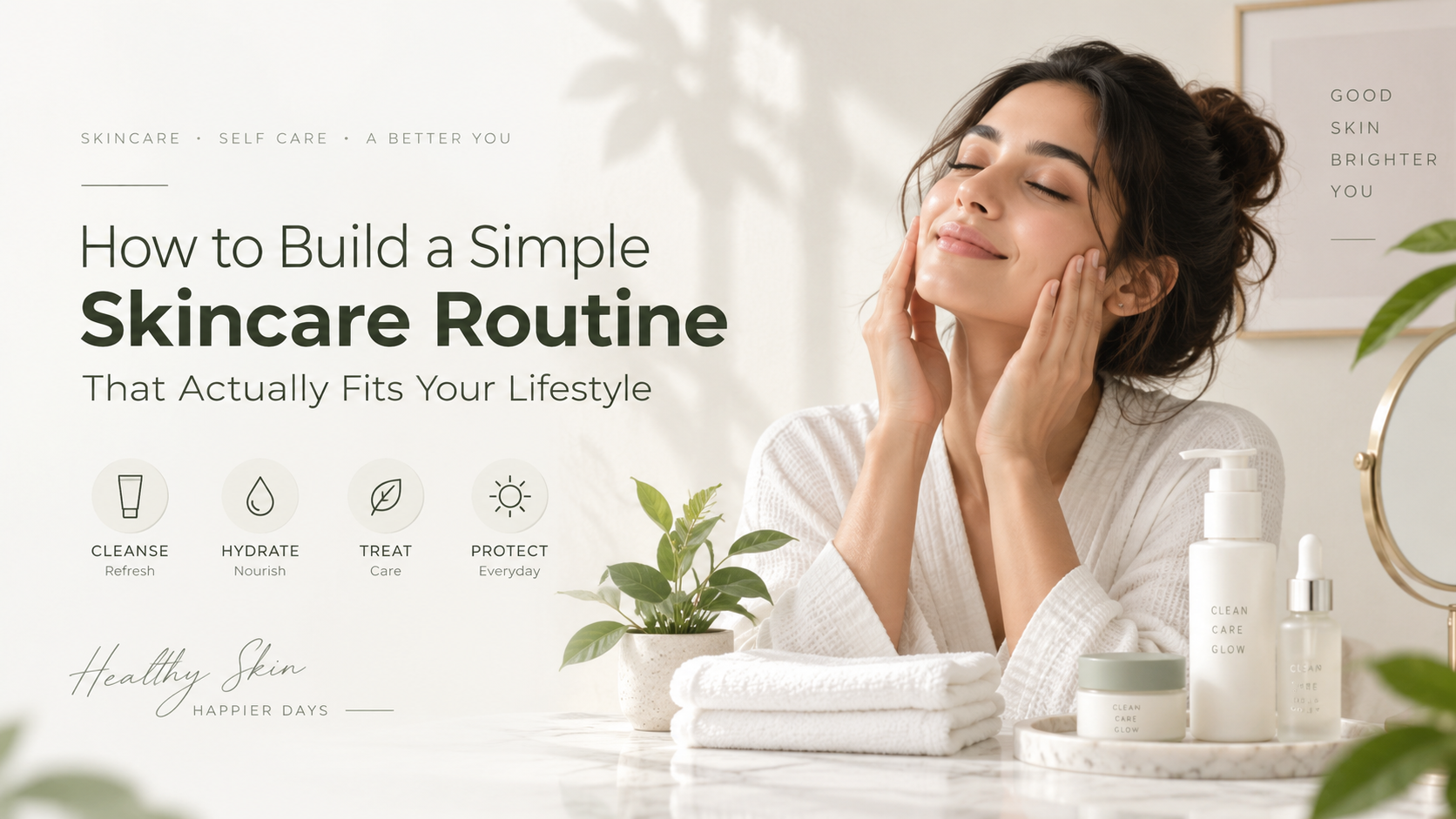
A good skincare routine doesn't need to be complicated.
With hundreds of cleansers, serums, masks, moisturizers and treatments available today, it's easy to feel like you need a 10-step routine to take care of your skin. In reality, consistency usually matters more than having a long list of products.
The goal is to create a skincare routine that fits your skin's needs, your lifestyle and your daily schedule. A simple routine that you can follow every day is often much easier to maintain than an elaborate routine that becomes difficult to manage.
Whether you're dealing with dryness, excess oil, occasional breakouts or simply want healthier-looking skin, understanding the basic steps can help you build a routine that makes sense.
Before buying skincare products, take some time to understand what your skin needs.
Common skin types include:
Your skin can also change with weather, lifestyle, stress, age and environmental conditions. So rather than choosing products simply because they are trending, focus on what your skin actually needs.
Cleansing is one of the easiest ways to start a skincare routine.
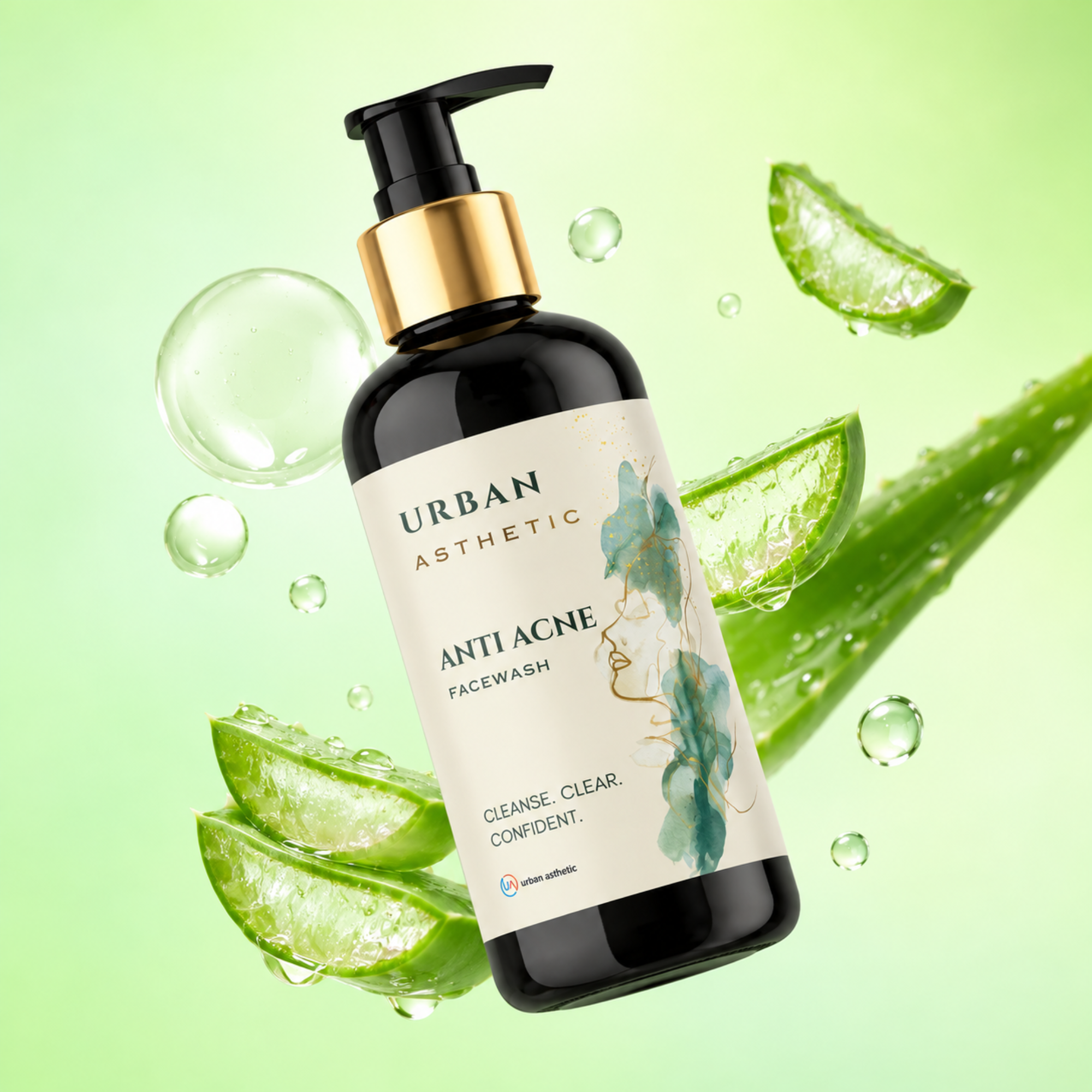
Throughout the day, your skin can come into contact with sweat, excess oil, dirt and environmental impurities. A suitable face wash helps cleanse the skin and prepares it for the rest of your routine.
If you're dealing with excess oil or occasional breakouts, you may prefer a cleanser designed for those concerns. If your skin tends to feel dry, a gentler and more hydrating option may be more comfortable.
The important thing is to avoid constantly changing cleansers just because a new product becomes popular.
Consistency is key.
One of the biggest mistakes people make is assuming that only dry skin needs hydration.
Every skin type benefits from maintaining a comfortable level of hydration. A good moisturizer can help your skin feel smoother and more comfortable while supporting your everyday skincare routine.
Ingredients such as ceramides and hyaluronic acid are commonly used in moisturizing products because of their role in supporting skin hydration and the skin barrier.
For example, a ceramide-rich moisturizer can be a useful addition when your routine focuses on hydration and barrier care.
Once you have your basic routine in place, you can consider products targeted toward specific concerns.
For example:
A pimple patch can be a convenient addition to a targeted skincare routine.
Products designed for oil control or pore cleansing may complement your routine.
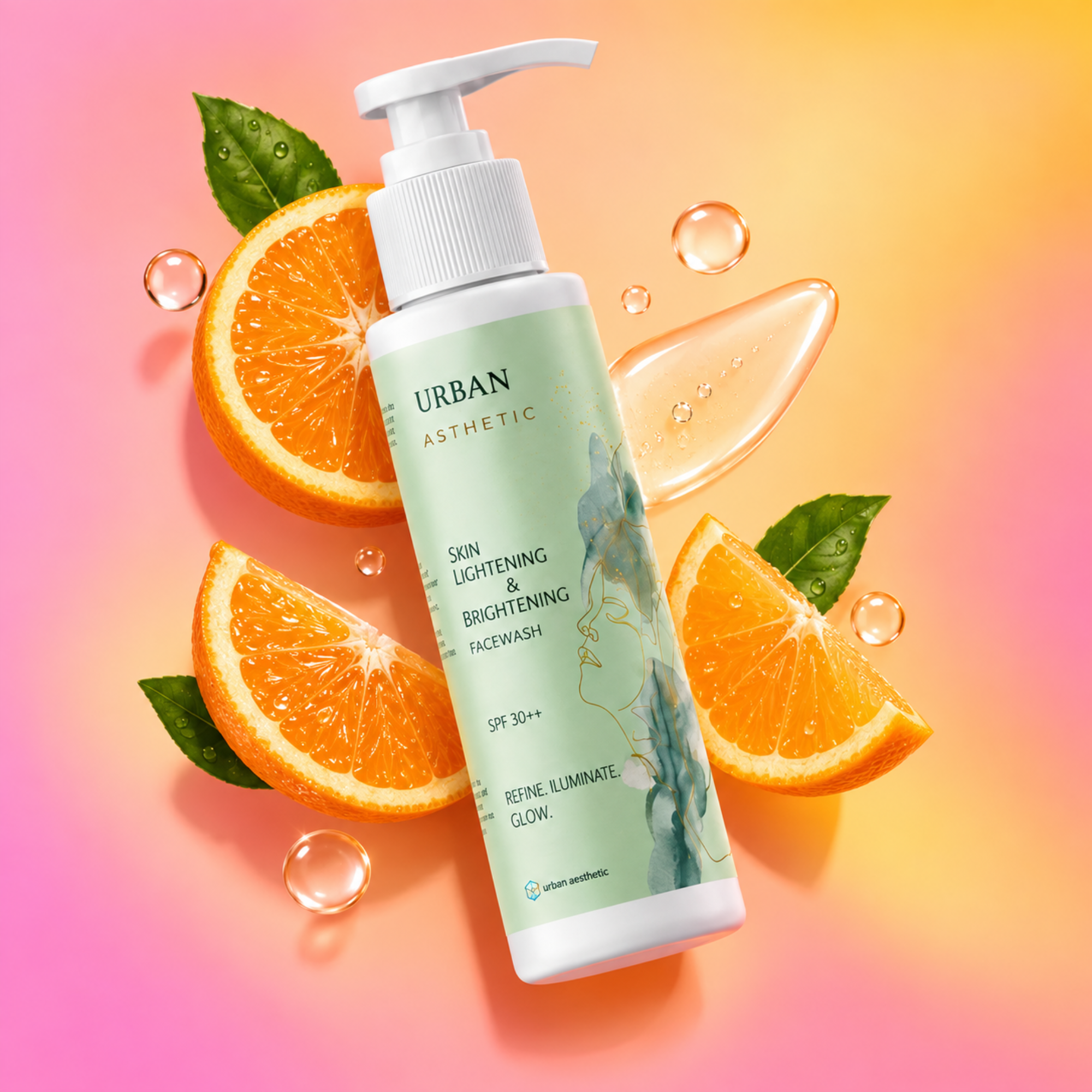
Ingredients such as vitamin C, niacinamide and other brightening-focused ingredients are commonly included in skincare formulations.
Look for products focused on hydration and moisture support.
The important point is not to introduce multiple new products at once. Add products gradually so you can understand how each one fits into your routine.
A simple morning routine could look like:
Step 1: Cleanse
Step 2: Hydrate and moisturize
Step 3: Apply sunscreen
That's it.
You don't necessarily need to use several products every morning. Your routine should be practical enough that you can follow it consistently.
Your nighttime routine can be slightly more focused.
A simple approach can be:
Step 1: Cleanse your face
Step 2: Apply your chosen treatment, if needed
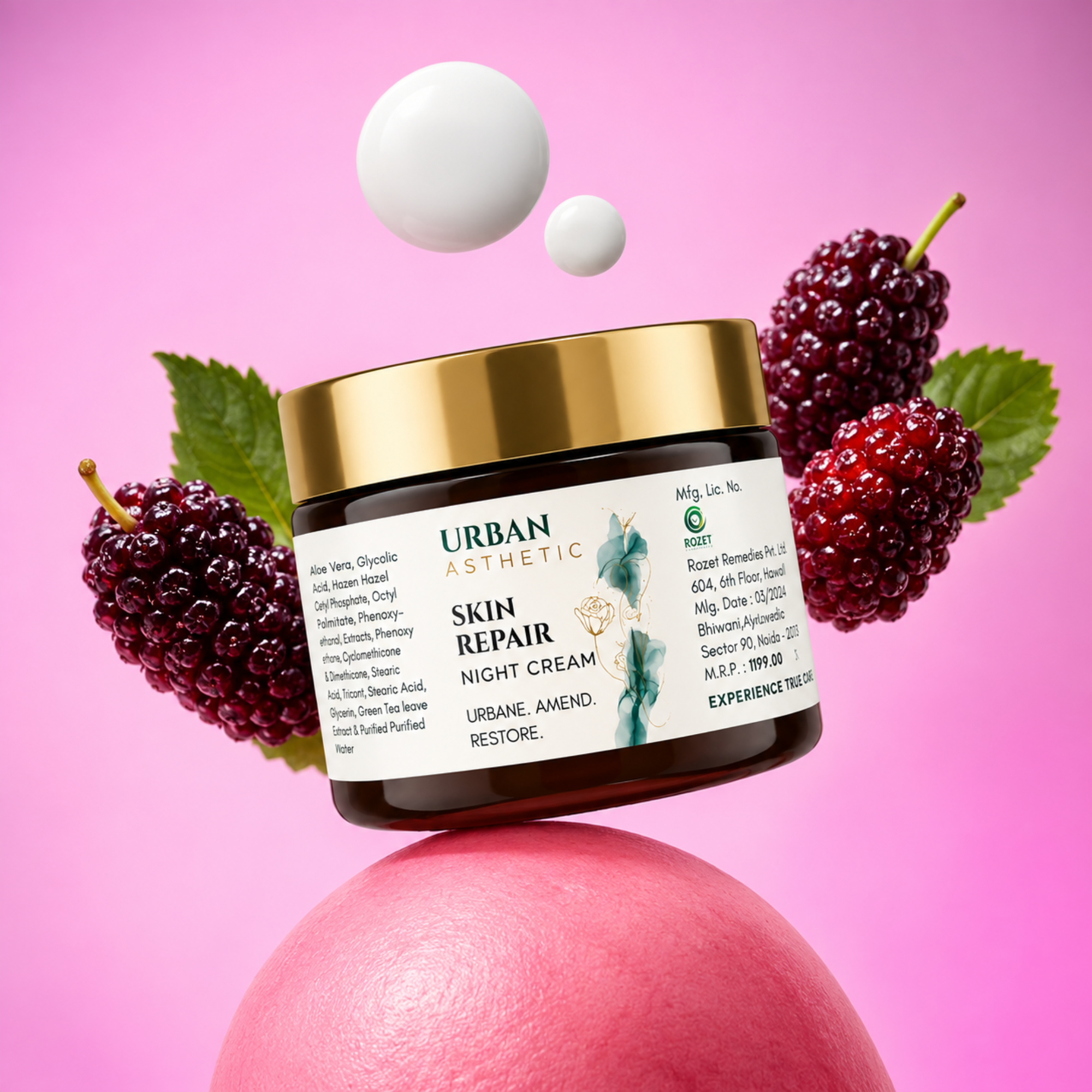
Step 3: Finish with a moisturizer or night cream
If your skin is feeling dry or uncomfortable, keeping the routine gentle and focused on hydration may be preferable to adding several active products.
Skincare shouldn't stop at your face.
Areas such as your hands, elbows, knees and legs can also become dry, particularly during certain seasons.
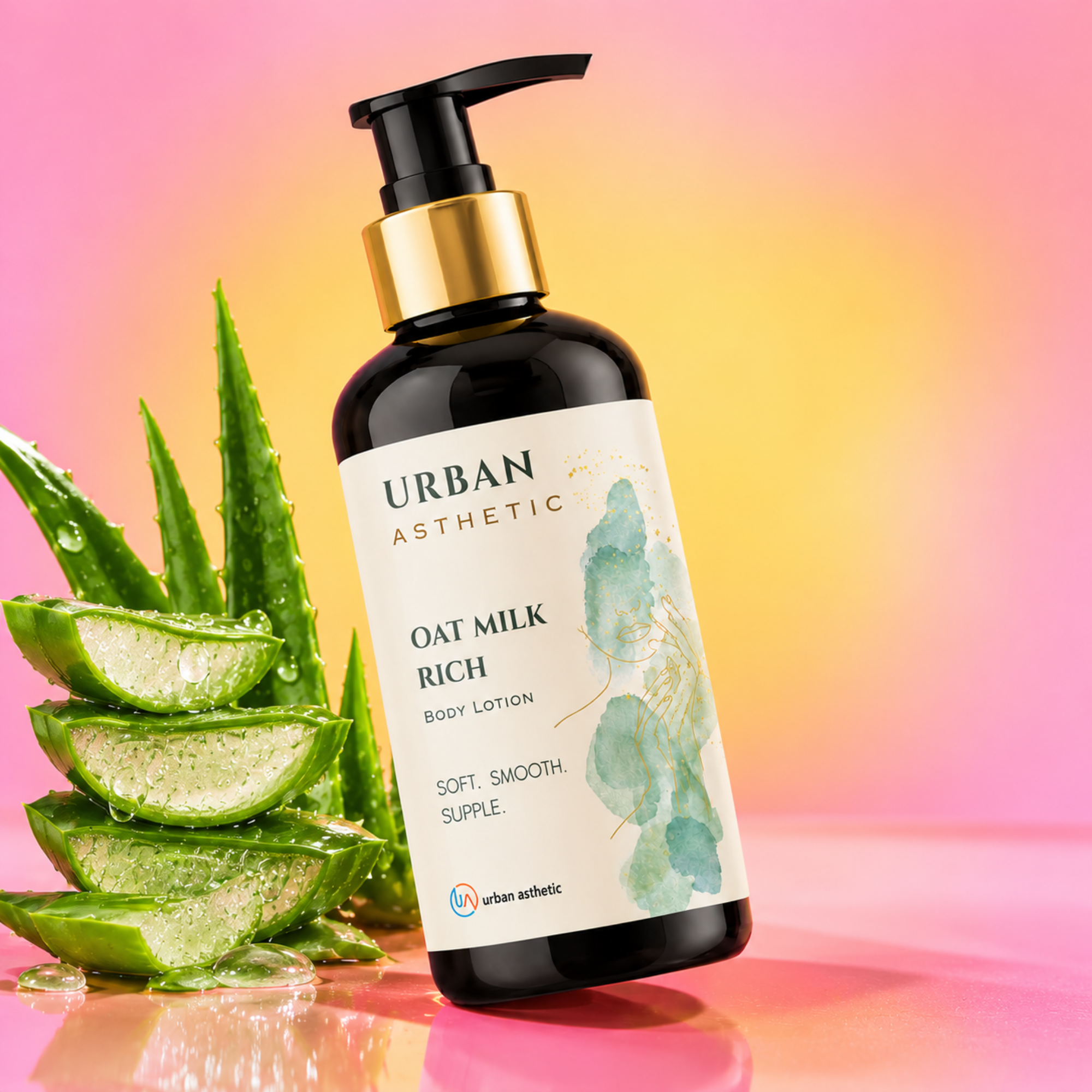
A body lotion can help keep your skin feeling softer and more comfortable as part of your everyday self-care routine.
An oat milk body lotion, for example, can fit naturally into a daily body-care routine focused on moisture and softness.
One of the most common skincare mistakes is expecting instant transformation.
A skincare routine is a habit, not a quick fix.
Instead of constantly changing products, give your routine enough time to understand how your skin responds. Keep track of what you're using and avoid introducing several new products simultaneously.
If a product causes persistent irritation, discomfort or an unusual reaction, discontinue use and consider speaking with a qualified dermatologist.
You don't need a complicated shelf full of products.
Think of your routine in four basic categories:
Cleanse → Hydrate → Treat → Protect
Start with the basics, understand your skin and build gradually.
The best skincare routine is not necessarily the longest one. It's the one that you understand, enjoy using and can realistically maintain.
Healthy-looking skin is built through everyday habits.
Choose products thoughtfully, keep your routine consistent and give your skin the attention it needs. With Urban Asthetic, you can bring together everyday skincare essentials designed to make building a simple routine easier.